What I learned
I practiced using pretrained InceptionV3 features, building compact CNNs for sign language letters, and training a rock-paper-scissors classifier with augmentation and tf.data performance improvements.
This course strengthened computer vision in TensorFlow. It focused on practical image classification workflows: binary classification, transfer learning, multi-class classification, augmentation, and evaluation.
I practiced using pretrained InceptionV3 features, building compact CNNs for sign language letters, and training a rock-paper-scissors classifier with augmentation and tf.data performance improvements.
It made the TensorFlow path more applied, showing how to train models on realistic folder-structured datasets instead of only clean toy examples.
Convolutional Neural Networks in TensorFlow was not just a certificate item. I used it as one layer in a longer path: understand the concept, implement it in code, test it on assignments or notebooks, then connect the idea to future portfolio systems.
This course strengthened computer vision in TensorFlow. It focused on practical image classification workflows: binary classification, transfer learning, multi-class classification, augmentation, and evaluation. The reason it matters on this page is that it shows the exact stage where my learning moved forward, instead of presenting education as a flat list of names.
The most important layer was not memorizing definitions; it was learning how the course concepts behave when they are turned into working code, trained models, evaluation outputs, and notebooks.
I treated the course as a practical loop: watch the theory, re-implement the assignment logic, inspect outputs, record results, and then keep the code in a public repository as evidence of the learning process.
It made the TensorFlow path more applied, showing how to train models on realistic folder-structured datasets instead of only clean toy examples. This page also connects to standalone milestone pages, so the course is not represented only by certificate text; it is represented through the labs, models, notebooks, results, and media produced during the learning path.
I practiced using pretrained InceptionV3 features, building compact CNNs for sign language letters, and training a rock-paper-scissors classifier with augmentation and tf.data performance improvements. I also used the course to improve how I explain technical decisions: why a model is chosen, what assumptions it makes, where it fails, and what the next improvement should be. That explanation layer is important because my goal is end-to-end AI engineering, not only passing assignments.
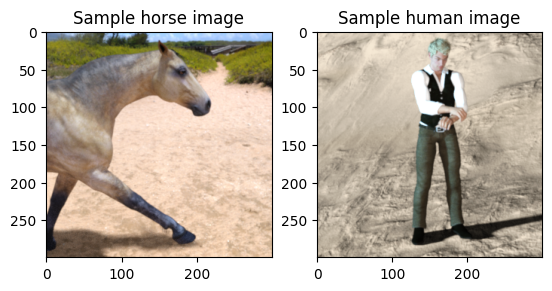
A transfer-learning classifier that uses a frozen InceptionV3 network and a custom head for horse-vs-human image classification.
Open milestone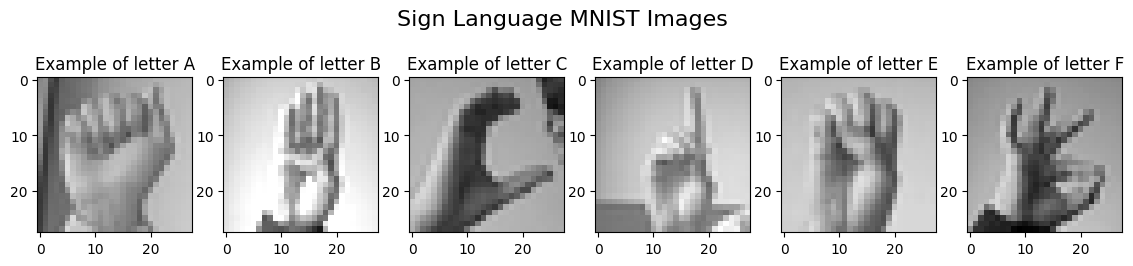
A compact CNN for 24-class Sign Language MNIST classification, moving from binary classification to multi-class visual recognition.
Open milestone
A 3-class CNN with data augmentation and an upload-style prediction workflow for rock, paper, and scissors hand images.
Open milestone