AI systems builder in progress

Building disciplined AI systems from first principles to deployment.

I am an AI and software engineering student focused on machine learning, deep learning, computer vision, NLP, MLOps, and deployable AI applications. My path started with strong technical foundations, moved through world-class ML/DL courses and books, and now centers on building complete intelligent systems: data, models, APIs, databases, typed frontends, containers, automation, and real portfolio-grade interfaces.

0+Years programming
0+Projects built
0+Programming languages
PythonMain language PyTorchDeep learning JupyterResearch app VS CodeDeployment app PostgreSQLMain database
01
Operating thesis

Not just notebooks. Not just UI. Complete intelligent workflows.

I organize my work around one principle: a project should prove both technical depth and engineering maturity. That means clean data work, strong validation, model reasoning, deployment logic, MLOps habits, documentation, and a visual presentation that makes the system understandable.

Personal archive

The path behind the portfolio.

This section groups my education, courses, books, research work, deployment experience, MLOps work, programming background, current stage, and future direction.

Education · Technical redirection · Software engineering

From elite engineering foundations to AI-focused software systems.

I ranked 367 in Konkur, studied Aerospace Engineering at Sharif University of Technology, and later left that direction because I did not want my engineering path to be connected to missile or weapon-system work. I redirected my education toward AI and software, and I am now studying Software Engineering at Azad University with a 19.10 GPA.

Konkur rank: 367Sharif University of Technology · Aerospace backgroundSoftware Engineering · Azad UniversityGPA: 19.10
World-class curriculum · Books · Self-study

Learning AI through serious courses and foundational books.

My learning path is built around strong global resources: Machine Learning Specialization and Deep Learning Specialization by Andrew Ng, the DeepLearning.AI TensorFlow Developer Professional Certificate by Laurence Moroney, Harvard CS50x Introduction to Computer Science, and MIT 6.S191 Introduction to Deep Learning.

Machine Learning with PyTorch and Scikit-Learn · Sebastian Raschka Deep Learning with PyTorch · Eli Stevens, Luca Antiga, Thomas Viehmann Introducing MLOps · Mark Treveil and contributors Build a Large Language Model (From Scratch) · Sebastian Raschka Natural Language Processing with Transformers · Lewis Tunstall, Leandro von Werra, Thomas Wolf
Regression · Boosting · CV · NLP · Transformers

A research path from tabular models to transformer systems.

My project work started with simple regression and classical ML, then moved into gradient boosting models, medical diagnostics, feature engineering, and computer vision. I have worked with fine-tuning and transfer learning using models such as YOLOv8, EfficientNet, and Inception-style networks. In NLP, I moved from Disaster Tweets and SMS classification into Quora Question Pairs, LSTM with attention, self-built cross-attention, transformer encoder design, BERT fine-tuning, XLM-style multilingual work, GPT-2 experiments, and the broader Hugging Face transformers ecosystem.

Regression & boostingYOLOv8 · EfficientNet · InceptionQuora Question Pairs · attentionBERT · XLM · GPT-2
APIs · Typed frontends · Databases · Automated delivery

Turning ML models into real applications.

I have experience moving from notebooks into working systems: ONNX Runtime inference behind FastAPI, React and TypeScript interfaces built with Vite, PostgreSQL persistence through SQLAlchemy and Alembic, Docker and Nginx services, and automated delivery to Render and Neon through GitHub Actions.

React · TypeScript · ViteFastAPI · ONNX Runtime · DockerPostgreSQL · SQLAlchemy · AlembicNginx · Render · Neon · GitHub Actions
Automation · Experiment tracking · Event-driven thinking

Adding engineering discipline around the model lifecycle.

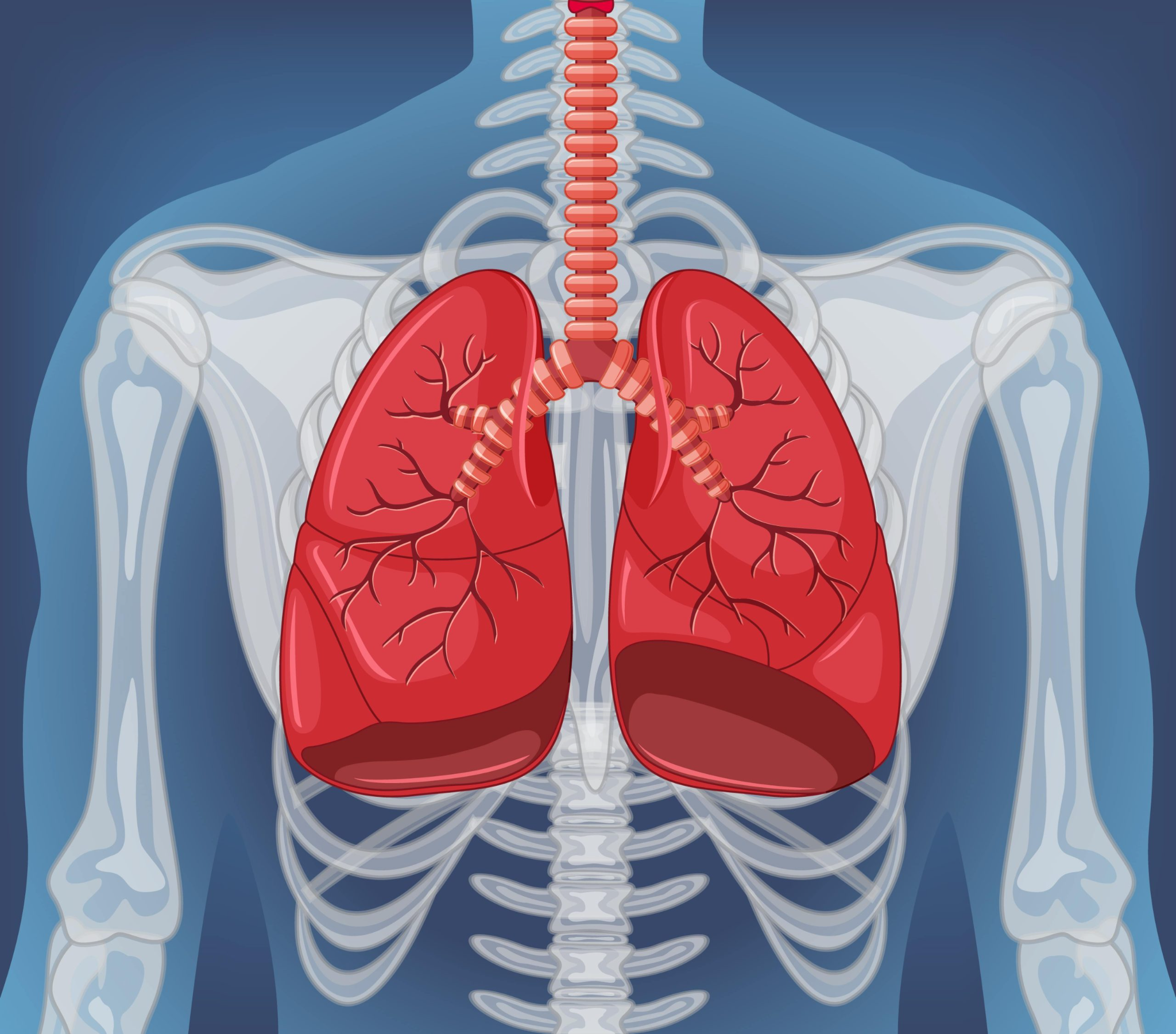
I have used MLflow for experiment tracking in projects, Airflow for automation, and Kafka in the lung disease detection app to simulate local event-driven tasks. My MLOps direction is focused on reproducible training, reliable inference, automated workflows, model logging, and production-style system thinking.

MLflow trackingAirflow automationKafka simulationReproducible ML workflows
Programming · Frontend · Systems basics

Beyond Python: lower-level logic and typed web interfaces.

Python is my main AI language, but I also have experience with C, C++, Swift, Kotlin, JavaScript, TypeScript, HTML, and CSS. I designed a local database-like application in C++, and shipped the same offline vocabulary app twice from one Windows machine — once in Swift and SwiftUI, then ported screen for screen to Kotlin and Jetpack Compose — with no Mac, no Android Studio and no local simulator or emulator, every build produced by cloud CI. I now use React and Vite to build typed, responsive, accessible interfaces that connect directly to deployed APIs.

C programmingC++ local database-style appSwift · SwiftUI offline iOS appKotlin · Jetpack Compose Android portJavaScript · TypeScript · ReactResponsive and accessible frontend systems
Current stage · Full-stack ML apps · Transformers ecosystem

From end-to-end medical AI to full-stack ML application engineering.

After building the lung disease detection pipeline, I extended that experience with an SMS spam classifier built as a complete split-service application: ONNX Runtime inference behind FastAPI, Fernet-encrypted PostgreSQL persistence through SQLAlchemy and Alembic, and a React and TypeScript interface served by Nginx. GitHub Actions runs backend, frontend, browser, accessibility, and deployment-smoke checks before migrating Neon and triggering Render deployments. I am continuing to study transformer model families, the Hugging Face ecosystem, and LLM foundations.

Lung disease detection appSMS spam classifierReact · TypeScript · FastAPIPostgreSQL · Alembic · CI/CD
Future direction · LLMs · RAG · Agents

The next layer is advanced AI systems engineering.

My future work is focused on mastering the transformers ecosystem, building an LLM from scratch, deploying more complete AI apps, diving into RAG and reasoning techniques, and mastering agentic workflows. The goal is to keep moving from isolated experiments toward advanced, reliable, and explainable AI systems.

Transformers ecosystemLLM from scratchRAG & reasoningAI agents
Grouped skills

Areas of Expertise

This map focuses on the tools, libraries, model families, and engineering practices behind the portfolio.

Modeling Core

PyTorch · TensorFlow/Keras · Scikit-Learn · NumPy · model training loops · validation · metrics · experiment comparison

Computer Vision & Deployment

OpenCV · KerasCV · image preprocessing · data augmentation · transfer learning · EfficientNet · MobileNet · DenseNet · InceptionNet · U-Net/Xception segmentation

NLP & Transformers

Tokenization · embeddings · WordPiece/BPE · RNNs · LSTMs · attention · self-attention · cross-attention · transformer encoders · Hugging Face Transformers · Datasets · BERT · XLM · GPT-2

Classical ML & Boosting

Pandas · Scikit-Learn pipelines · Logistic Regression · SVM/SVC · Random Forest · Decision Tree · XGBoost · LightGBM · CatBoost · feature engineering · cross-validation

Deployment Systems

FastAPI · Uvicorn · ONNX Runtime · Docker · Nginx · PostgreSQL · Alembic · Neon · Render · GitHub Actions · CI/CD · API serving · inference endpoints

MLOps

MLflow · Airflow · Kafka · experiment tracking · model registry habits · workflow automation · reproducible pipelines · event-driven simulation

Data & EDA

Pandas · NumPy · Matplotlib · Seaborn · missing-value analysis · distribution checks · correlation analysis · text EDA · image EDA · diagnostics · feature extraction

System Interfaces

HTML · CSS · JavaScript · React · TypeScript · Vite · TanStack Query · Zod · Jinja templates · responsive UI · accessibility · API-connected frontend

Tools in General

Full view of Tools

A table-style view of the languages, AI skills, deployment tools, MLOps practices, education signals, and research directions that shape the portfolio.

Python C C++ Swift Kotlin JavaScript TypeScript React HTML5 CSS3 Qt PyTorch TensorFlow Keras OpenCV JupyterLab VS Code Scikit-Learn FastAPI Docker PostgreSQL MySQL SQL Server MongoDB Redis SQLite Airflow Kafka Git GitHub Python C C++ Swift Kotlin JavaScript TypeScript React HTML5 CSS3 Qt PyTorch TensorFlow Keras OpenCV JupyterLab VS Code Scikit-Learn FastAPI Docker PostgreSQL MySQL SQL Server MongoDB Redis SQLite Airflow Kafka Git GitHub
Programming languages
PythonCC++SwiftKotlinJavaScriptTypeScriptHTMLCSS
Frontend engineering
ReactTypeScriptViteTanStack QueryZodVitestPlaywrightAccessibility testing
Mobile — iOS & Android
SwiftUIJetpack ComposeMaterial 3MVVMXcodeGenGradleXCTestJUnitAVFoundationTextToSpeechOffline-first architectureCross-platform portingLocalization & RTL layoutDynamic TypeVoiceOver & TalkBackSideloaded & signed-APK distribution
Computer vision
CNNsImage preprocessingData augmentationOpenCVKerasCVEfficientNetMobileNetDenseNetInceptionNetU-Net/XceptionObject detectionSegmentation
NLP & transformers
TokenizationEmbeddingsWordPieceBPERNNsLSTMsSelf-attentionCross-attentionTransformer encodersBERTXLMGPT-2Hugging Face TransformersDatasets
Classical ML
Scikit-LearnPandasNumPyFeature engineeringCross-validationLogistic RegressionSVM/SVCRandom ForestDecision TreeXGBoostLightGBMCatBoost
Deployment
FastAPIUvicornONNX RuntimeDockerNginxAPI servingInference endpointsHugging Face SpacesRenderNeonRailwayGitHub PagesGitHub ActionsCI/CDJinja frontendQt
Databases & persistence
PostgreSQLMicrosoft SQL ServerMySQLMongoDBPyMongoSQLite3Redis cacheSQLAlchemyAlembicFernet encryption
MLOps
MLflowAirflowKafkaExperiment trackingWorkflow automationModel loggingReproducible pipelinesEvent-driven simulation
Data & EDA
Missing-value analysisDistribution checksCorrelation analysisDiagnosticsText EDAImage EDAVisualizationFeature extraction
Education signals
Andrew Ng ML/DLTensorFlow SpecializationCS50MIT Deep LearningCore AI booksSoftware Engineering GPA 19.10
Selected projects

Some of My works

Four representative projects from my portfolio: medical AI, desktop software engineering, a full-stack NLP application, and duplicate-question research.

Lung disease detection project preview
Medical AIComputer VisionMLOps

Lung Disease Detection App

End-to-end medical imaging application with classification models, segmentation, FastAPI serving, Docker deployment, PostgreSQL prediction storage, image storage, Hugging Face hosting, and MLOps layers with MLflow, Airflow, and Kafka simulation.

Educational database system preview
C++Qt WidgetsDesktop App

Educational Database System

A C++ and Qt Widgets desktop system for educational data management, including students, teachers, courses, terms, grades, reports, login authentication, sidebar navigation, tabbed CRUD pages, and clean file-based persistence.

SMS spam classification application preview
NLPFull-stack MLCI/CD

SMS Spam Classification App

End-to-end SMS classifier with BiLSTM research, ONNX Runtime inference, FastAPI serving, encrypted PostgreSQL persistence, Alembic migrations, a React and TypeScript UI served by Nginx, and tested GitHub Actions deployment to Render and Neon.

Quora question pairs project preview
NLPAttentionResearch

Quora Question Pairs

Duplicate-question research lab with Siamese question-pair modeling, LSTM attention, manual attention experiments, MLflow tracking, calibrated F1 optimization, error analysis, and reusable framework-style research code.

Trajectory

A focused climb from fundamentals toward advanced AI engineering.

FoundationPython, C/C++, data analysis, visualization, and classical machine learning.
EducationAndrew Ng ML/DL, TensorFlow Specialization, CS50, MIT Deep Learning, and core AI books.
Deep learning stackMastering PyTorch and TensorFlow through CNNs, sequence models, transfer learning, and custom training workflows.
Applied practiceEDA, Kaggle competitions, NLP, computer vision, feature engineering, validation, and portfolio-grade project documentation.
Engineering layerFastAPI, React and TypeScript, Docker and Nginx, databases, migrations, automated testing, CI/CD, cloud hosting, and deployable ML applications.
North starTransformers, LLMs from scratch, RAG, reasoning, agents, and advanced AI systems.
Principle 01Depth before decoration

Design matters, but it must reveal real technical work instead of hiding weak implementation.

Principle 02Systems thinking

A strong AI project includes data, modeling, evaluation, deployment, monitoring habits, and a clear story.

Principle 03Visible progress

Every page, notebook, and repository should show a step forward in skill, maturity, and engineering discipline.